
Sunday, November 09, 2025
The Meth Dealer's Playbook: How Addiction and Dark Psychology Build a Prison of Fear
The Art of Eternal Loyalty: Cementing Stockholm Syndrome

Understanding the Foundation: What is Stockholm Syndrome?
Stockholm Syndrome occurs when victims form positive feelings toward their abusers, often rationalizing or defending them. Key triggers:
- Isolation: cut off external influences
- Perceived kindness amid cruelty: small mercies feel like lifelines.

- Dependency: The captor controls survival needs.
- Threat of harm: Constant danger bonds the victim to the "protector"

Psychologists like Nils Bejerot noted it in the original case, but it's echoed in abusive relationships, POW camps, and even corporate "families." The goal? Flip the power dynamic.
Layer 1: Dark Psychology-Rewiring the Mind's Defenses
Dark psychology uses subtle and not-so-subtle mind games to erode autonomy to cement Stockholm.
- Gaslighting for Doubt. Make the victim question reality, "You're overreacting-I'm the only one who understands you." Over time, they cling to you as the "truth-teller"

- Love Bombing Followed by Withdrawal. Shower with affection, then yank it away. This creates an emotional rollercoaster, mirroring intermittent reinforcement (The most addictive reward schedule, per B.F. Skinner's operant conditioning).
- Triagulation. Introduce a common enemy (e.g., ex-partners, society, competitors). "They're out to get us-stick with me." This fosters an "us vs. them" bond.

Wednesday, September 04, 2024
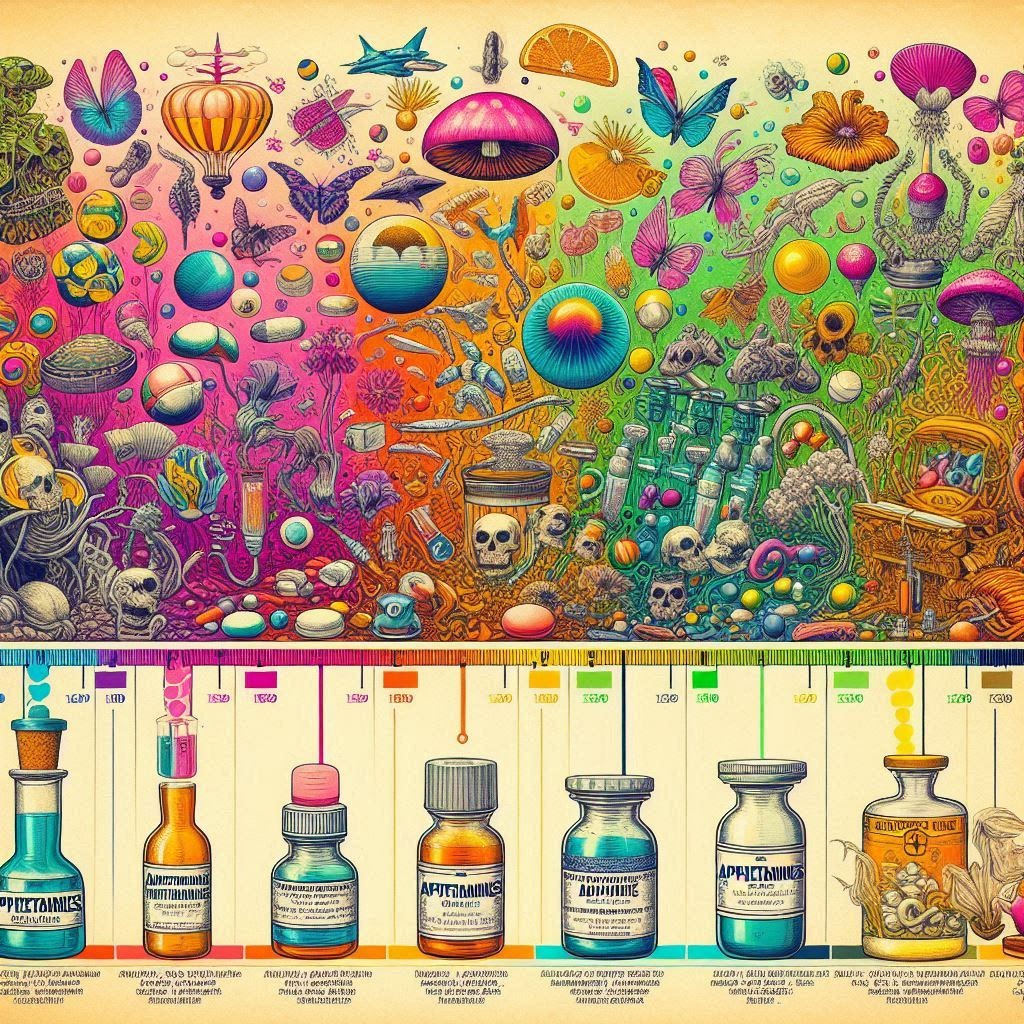
Amphetamines: A History of Abuse and Addiction

A Brief History of Amphetamines
Rosenthal (2022) sums up this history:
- Ancient Origins: The use of amphetamines can be traced back to ancient China, where the herb Ephedra sinica (ma huang) was used to treat asthma and other respiratory ailments.
- Isolation and Synthesis: The active ingredient in ma huang, ephedrine, was isolated in the 19th century. In 1887, the synthetic compound amphetamine was created.
- Therapeutic Use: Amphetamine was initially marketed as a treatment for a variety of conditions, including asthma, narcolepsy, and depression.
- Abuse and Addiction: Despite its intended medical uses, amphetamine soon became popular for non-medical purposes leading to widespread abuse and addiction.
The Popularity of Amphetamines
Rosenthal (2022) points out that amphetamines have become more popular than cocaine in many parts of the world due to several factors:
- Potency and Duration: Amphetamines have a more potent and sustained effect than cocaine.
- Multiple Routes of Administration: Amphetamines can be taken orally, intravenously, or intranasally.
- Easy Synthesis: The precursors for amphetamine production are readily available, making it relatively easy to synthesize illicitly.
Types of Amphetamines
Amphetamine: The original form of amphetamine, often sold under the brand names Benzedrine and Dexedrine. Methamphetamine: A more potent form of amphetamine that is highly addictive. Synthetic Cannabinoids: A group of synthetic drugs that mimic the effects of cannabis but are often more potent and dangerous. (Rosental, 2022)
The Impact of Amphetamine Abuse
Amphetamine abuse can have severe consequences for both physical and mental health including (Rosenthal 2022):
- Heart problems: Increased heart rate, blood pressure, and risk of heart attack or stroke.
- Psychosis: Hallucinations, delusions, and paranoia.
- Addiction: Amphetamines are highly addictive, and withdrawal symptoms can be severe.
- Overdose: Overdosing on amphetamines can be fatal.
Efforts to Combat Amphetamine Abuse
Governments and healthcare organizations have implemented various strategies to address the amphetamine epidemic, including (Rosenthal 2022):
- Regulation of precursor chemicals: Laws have been enacted to restrict the sale of chemicals used to produce amphetamines.
- Treatment and prevention programs: Treatment programs and public health campaigns aim to reduce amphetamine use and addiction.
- Law enforcement efforts: Law enforcement agencies work to disrupt the production and distribution of amphetamines.
Despite these efforts, amphetamine abuse remains a significant public health challenge. it is important to raise awareness about the dangers of these drugs and to support individuals who are struggling with addiction.
References
- Rosenthal, M. S. (2022). Drugs: Mind, Body, and Society (2nd ed.). Oxford University Press Academic US. https://bookshelf.vitalsource.com/books/9780197585313
Sunday, September 01, 2024
Labor Day: More Than Just a Long Weekend
 Reflecting on Work, Worth, and Well-being

Labor Day is traditionally a time for barbecues, picnics, and relaxation. But beyond the festivities, it's also a day to reflect on the significance of work in our lives.
The Psychology of Work
Identity: Our jobs often play a significant role in shaping our self-identity. What we do can influence how we see ourselves and how others perceive us.
Purpose: Many people find meaning and purpose in their work, particularly when it aligns with their values and passions.

Well-being: While work can be stressful, it can also contribute to our overall well-being. A sense of accomplishment, social connection, and financial security can all positively impact our mental health.
Work-Life Balance
Striking a healthy balance between work and personal life is crucial. Overworking can lead to burnout, stress, and decreased job satisfaction. It's important to set boundaries, prioritize self-care, and take time for activities that bring joy and relaxation.
Celebrating the American Worker
 Labor Day is a time to honor the American workers and the contributions they make to society. It's an opportunity to recognize the hard work and dedication of individuals across all industries. How are you celebrating Labor Day? Share your thoughts on the importance of work in your life and any strategies you use to maintain a healthy work-life balance.
#LaborDay #WorkLifeBalance #MentalHealth #Psychology
Saturday, August 31, 2024
The Eight of Cups: A Journey of Withdrawal and Renewal
In Tarot, the Eight of Cups represents a moment of withdrawal and introspection. It often signifies a need to step back from a situation or relationship that no longer serves us. This card can symbolize a sense of disillusionment, disappointment, or a loss of faith. However, it also holds the promise of renewal and growth.
 Understanding the Eight of Cups

The imagery of the Eight of Cups depicts a figure walking away from seven cups, seemingly leaving behind a life of comfort and security. This suggests a conscious decision to let go of the familiar in favor of something unknown. The figure's journey away from the cups can be interpreted as a metaphor for leaving behind negative emotions, limiting beliefs, or unhealthy situations.
Key Themes Associated with the Eight of Cups
- Withdrawal: The Eight of Cups often indicates a need to retreat from a situation or relationship that is causing stress or unhappiness.
- Disillusionment: This card can symbolize a loss of faith or a feeling of disappointment.
- Introspection: The Eight of Cups encourages us to look inward and examine our motivations and beliefs.
- Renewal: Despite the challenges associated with this card, it ultimately holds the promise of renewal and growth.
The Eight of Cups in a Reading
The meaning of the Eight of Cups in a tarot reading can vary depending on its position and the surrounding cards. However, some common interpretations include:
- Upright: A need for withdrawal and introspection. A sense of disillusionment or disappointment. The potential for renewal and growth.

- Reversed: Resistance to change. Stagnation. Fear of the unknown.

Healing and Growth
The Eight of Cups is a powerful card that can inspire us to let go of the past and embrace a new beginning. By withdrawing from negative situations and focusing on self-care, we can create space for healing and growth.
Tips for Embracing the Eight of Cups Energy:
- Practice mindfulness: Pay attention to your thoughts and feelings without judgment.
- Set healthy boundaries: Learn to say no to commitments that drain your energy.
- Engage in self-care: Prioritize activities that nourish your mind, body, and soul.
- Trust your intuition: Follow your heart and listen to your inner guidance.


By embracing the Eight of Cups energy, we can embark on a journey of self-discovery and renewal. Remember, the challenges we face can be stepping stones to a brighter future.
Everyone Must Stand Alone: A Psychological Perspective
 Introduction

The notion that we are all ultimately alone, even amidst the bustling crowds and connections we forge, is a recurring theme in philosophy, literature, and psychology. This concept, often explored in existentialism, suggests that despite our desire for companionship and belonging, we must ultimately confront our individuality and isolation.
The Illusion of Connection
While we may feel a sense of community and belonging, these connections are often superficial or temporary. Our relationships are bound by shared experiences, common interests, and mutual needs. However, beneath the surface, we remain distinct individuals with our own unique thoughts, feelings, and experiences.
The Fear of Solitude
The prospect of solitude can be terrifying. We fear isolation, loneliness, and the loss of meaning in our lives. This fear can lead us to cling to relationships, even unhealthy ones, or to seek validation and approval from others. However, these strategies often backfire, leaving us feeling more disconnected and insecure.
The Necessity of Solitude

- Self-awareness: Solitude allows us to better understand ourselves, our strengths, and our weaknesses.
- Creativity: When we are alone, we are free to explore our own ideas and creativity without the influence of others.
- Resilience: The ability to withstand adversity and bounce back from setbacks is strengthened through solitude.
Embracing Solitude
Embracing solitude does not mean becoming completely isolated from others. Rather, it means recognizing the importance of spending time alone and cultivating a healthy relationship with oneself. Here are some tips for embracing solitude:
- Practice mindfulness: Pay attention to your thoughts and feelings without judgment.
- Engage in solitary activities: Explore hobbies and interests that you can enjoy alone.

- Set boundaries: Learn to say no to commitments that drain your energy or overwhelm you.

Conclusion
The idea that everyone must stand alone is a sobering one, but it is also a liberating one. By recognizing the inevitability of solitude and embracing it as a necessary part of life, we can develop a deeper sense of self-worth and resilience.
Friday, August 30, 2024
A Question of Ethics and Public Policy: Sterilization and Drug Use in Pregnancy

The Ethical Implications
- Coercive Nature: The offer of financial incentives for sterilization can be seen as a coercive practice, potentially pressuring women into making irreversible decisions about their reproductive rights.
- Discrimination: Targeting women who use illegal drugs, but not those who use alcohol or tobacco, could be seen as discriminatory and perpetuates harmful stereotypes.
- Punitive Approach: Sterilization can be viewed as a punitive measure, rather than a supportive or rehabilitative one, potentially alienating women and hindering their ability to overcome addiction.


Society Factors and Public Perception
- Moral Judgement: Societal attitudes towards illegal drug use are often more negative than those towards alcohol or tobacco, leading to harsher judgments and punishments for those involved in drug-related activities.
- Fear and Stigma: The fear of "crack babies" and the associated stigma surrounding drug use during pregnancy may contribute to the disproportionate focus on sterilization as a solution.
- Public Health Concerns: While the health risks associated with prenatal drug use are significant, it's important to consider the broader public health implications of alcohol and tobacco use, which also have detrimental effects on fetal development.
Alternative Approaches
- Comprehensive Support: Rather than punitive measures, a more effective approach would be to provide extensive support services for pregnant women who use drugs, including addiction treatment, prenatal care, and parenting education.
- Prevention and Education: Investing in prevention and education programs can help reduce the rates of drug use during pregnancy and promote healthy outcomes for both mothers and children.
- Addressing Systemic Issues: It's important to address the underlying social and economic factors that contribute to drug use, such as poverty, lack of access to healthcare, and limited opportunities.
Conclusion

References
- Rosenthal, M. S. (2022). Drugs: Mind, Body, and Society (2nd ed.). Oxford University Press Academic US. https://bookshelf.vitalsource.com/books/9780197585313
Subscribe to:
Posts (Atom)
Featured Blog Post
Breaking the Cycle: How Meth and GHB Mess with Your Brain's Wiring
Hey there, if you're reading this, you're probably knee-deep in that exhausting loop of highs, crashes, and compulsions that come wi...

-
 Amphetamines have a long and complex history, dating back thousands of years (Rosenthal, 2022). Originally they were used for medicinal pur...
 -
 In Tarot, the Eight of Cups represents a moment of withdrawal and introspection. It often signifies a need to step back from a situation o...
 -
 Introduction Cocaine, a potent stimulant derived from the coca plant, has been used for centuries for its euphoric and anesthetic properties...